Why Spring Walks Can Make Your Dog Pull and React More on Leash (And What to Do)
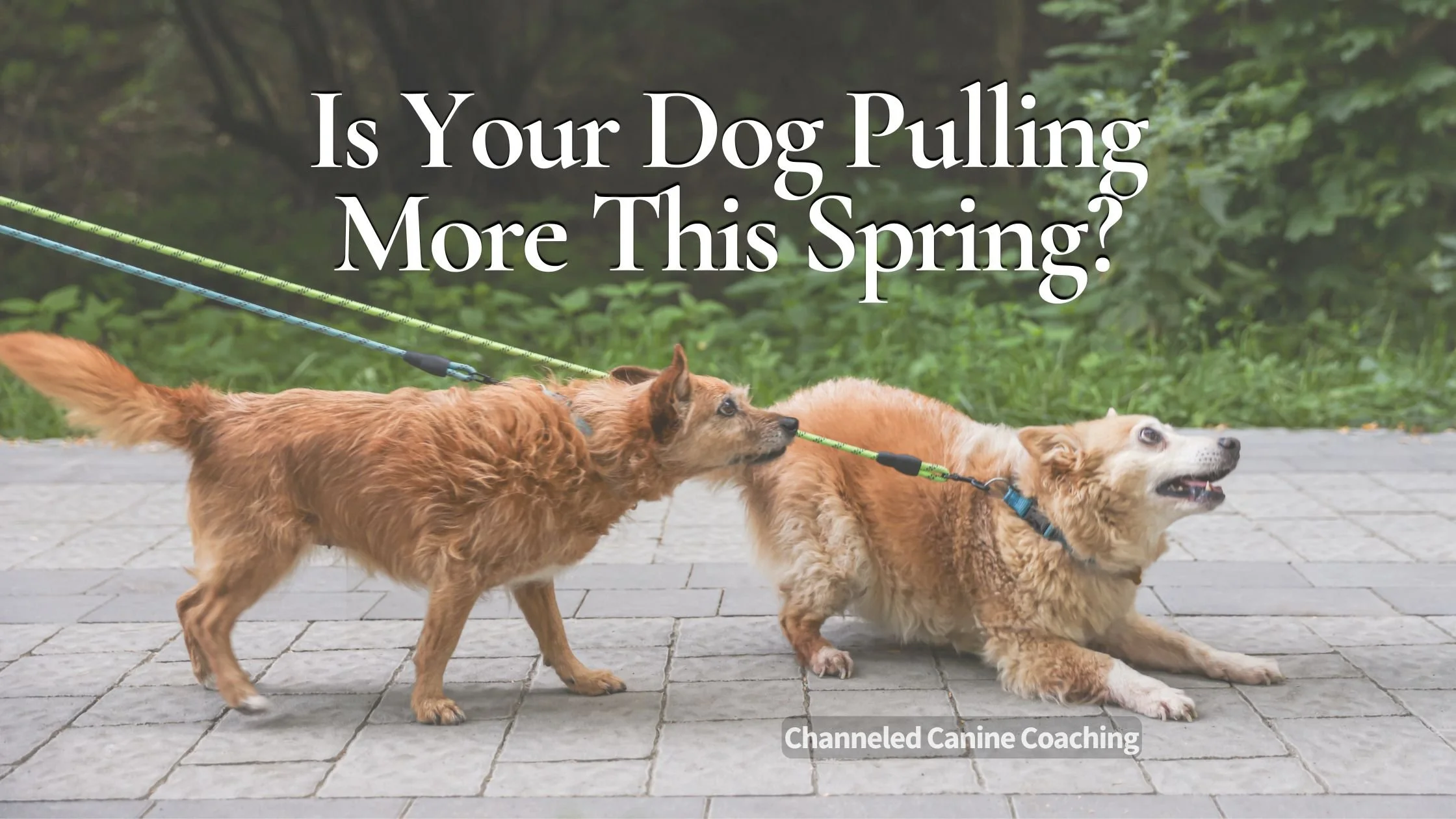
Dogs in training learning not to pull on leash at a park in Canton, GA
When the weather finally warms up, many pet parents are excited to spend more time outside with their four legged friends. Longer days, sunshine, and blooming parks often mean more walks, hikes, and neighborhood adventures.
But for many families, spring also brings a frustrating surprise:
Your dog suddenly seems worse on walks.
Maybe they’re pulling harder, barking at other dogs, lunging at squirrels, or acting overly excited the moment the leash comes out.
If that sounds familiar, you’re not alone.
At Channeled Canine Coaching, we often hear from owners in Canton, GA and the surrounding North Metro Atlanta area this time of year for exactly these reasons.
The good news? There’s usually a very normal explanation and it can absolutely improve with the right approach.
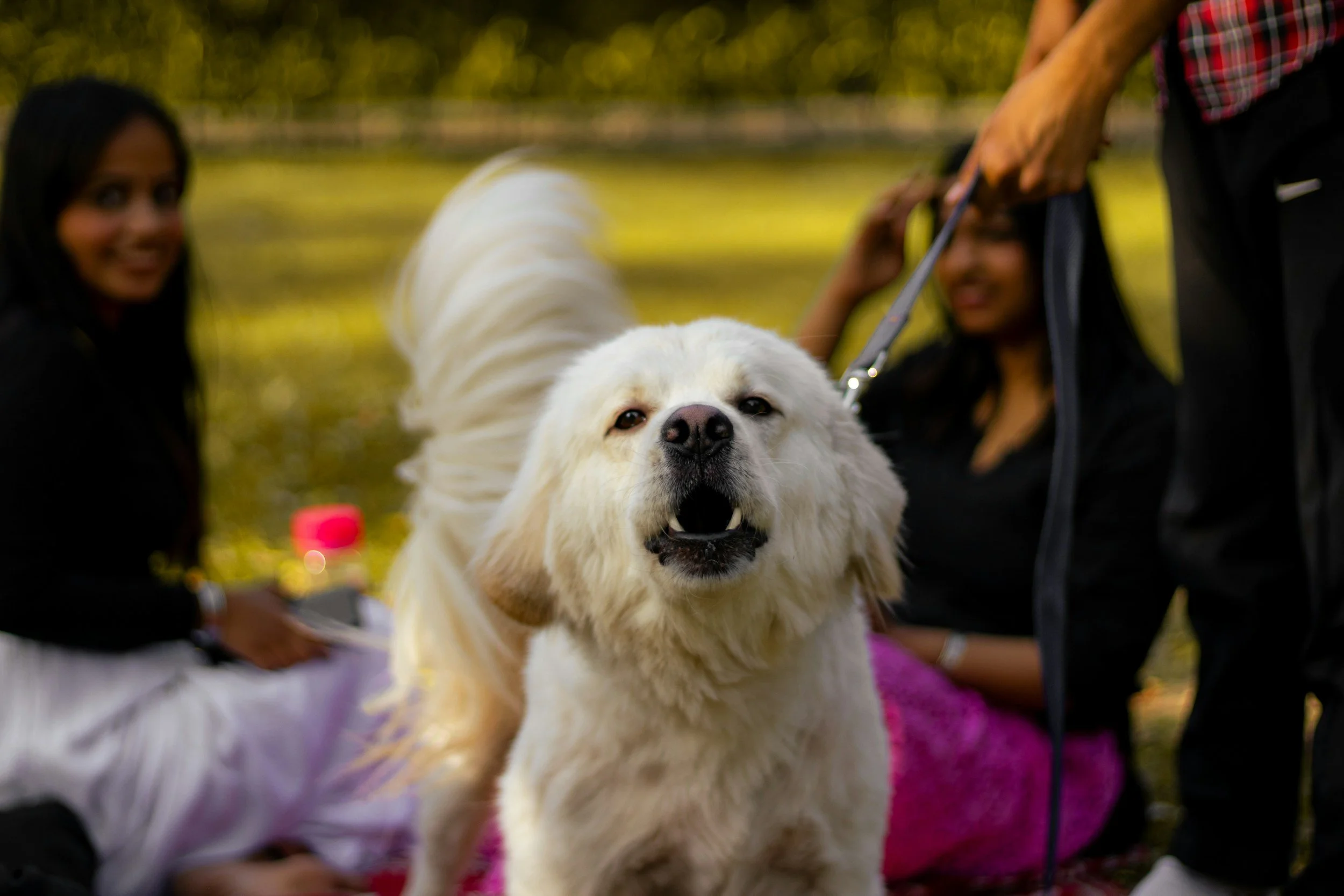
A dog in training learning not to bark at triggers while training at a park in Canton, GA
Why Dogs Often Struggle More on Walks in Spring
1. Winter Cabin Fever Is Real
Many dogs get less physical exercise and mental stimulation during winter months.
Even if you still walked regularly, colder weather often means:
shorter walks
fewer sniffing opportunities
less training outdoors
fewer social exposures
more indoor downtime
By spring, many dogs are bursting with energy.
That extra energy often comes out as pulling, jumping, whining, or overexcitement on leash.
2. There Are Suddenly More Triggers Outside
Spring means the world gets busier.
Your dog may now be seeing:
more people walking
more dogs outside
kids playing
bikes and scooters
squirrels and birds
landscapers and noisy equipment
stronger scents everywhere
For reactive, anxious, or highly alert dogs, this can be a lot to process.
3. Dogs Get “Out of Practice”
If leash skills weren’t practiced consistently over winter, spring excitement can expose those gaps quickly.
Even dogs who previously walked well may need a refresher.
That doesn’t mean your dog is being stubborn.
It usually means they need guidance, consistency, and a calmer reset.
4. Pet Parents Naturally Walk Longer Too Soon
After being cooped up, many people jump right into long walks.
But for some dogs, going from limited activity to 45-minute stimulating walks can actually increase arousal and make behavior worse.
Think of it like going from zero to full speed overnight.
Signs Your Dog May Need Support This Spring
You may notice:
pulling harder on leash
barking at dogs or people
whining before walks
lunging at squirrels
ignoring cues outside
frantic sniffing
difficulty settling after walks
increased anxiety or hyperactivity
These are common signs your dog is overwhelmed, overstimulated, or needs a reset.
What to Do Instead
1. Lower Expectations for a Week
Instead of expecting perfect walks immediately:
Focus on calm, shorter, successful outings. Even 10–15 quality minutes can be more productive than one chaotic hour.
2. Reward Check-Ins Frequently
Bring treats and reward your dog for:
looking at you
walking near you
choosing calm behavior
noticing triggers without reacting
This builds engagement and makes you more relevant than the environment.
3. Create Distance From Triggers
If your dog reacts to dogs or people:
Distance is your friend.
Cross the street, step off the path, or turn away early.
Staying under threshold is one of the fastest ways to improve reactivity.
4. Add Mental Exercise at Home
A tired dog is not always a calm dog.
Mental enrichment often helps more than endless walking.
Try:
sniff games
scatter feeding
short training sessions
food puzzles
place training
shaping games
5. Use the Right Equipment
The wrong gear can make walks harder.
Helpful options may include:
front clip harness
properly fitted harness
longer leash for decompression walks
treat pouch for training
Avoid tools that increase fear or pain if your goal is long-term calm behavior.
What Not to Do
Avoid:
dragging your dog past triggers
punishing fear reactions
overly long stimulating walks too soon
expecting spring excitement to “just wear off”
Without guidance, many dogs rehearse bad habits repeatedly.
When to Get Professional Help
If walks feel stressful, embarrassing, or exhausting, private coaching can help tremendously.
At Channeled Canine Coaching, we help dogs in Canton, GA, Woodstock, Milton, Roswell, Alpharetta, and surrounding North Metro Atlanta areas with:
leash pulling
barking on walks
overexcitement
confidence building
obedience in real-life settings
We also offer virtual dog training from anywhere.
Spring Can Become Your Best Training Season
The same season creating challenges can also create growth.
More opportunities outside = more chances to build:
calm focus
confidence
neutrality
better communication
With the right plan, spring can become the turning point.
Ready for Better Walks?
If your dog is pulling, barking, or struggling this spring (or any season!), we’d love to help.
Channeled Canine Coaching offers personalized dog training designed for real-life results. In-person in the north metro Atlanta area and virtual training options available worldwide.
Visit our website to book your consultation today.
Jackie Audette is the founder and head trainer of Channeled Canine Coaching, providing in-home and virtual dog training for families in the North Metro Atlanta, GA area and virtually worldwide. Jackie is a qualified Guide Dog Mobility instructor and specializes in assisting dog owners with leash pulling, reactivity, behavior issues, obedience training, and helping dogs and their guardians create calmer everyday lives.